September 10, 2026
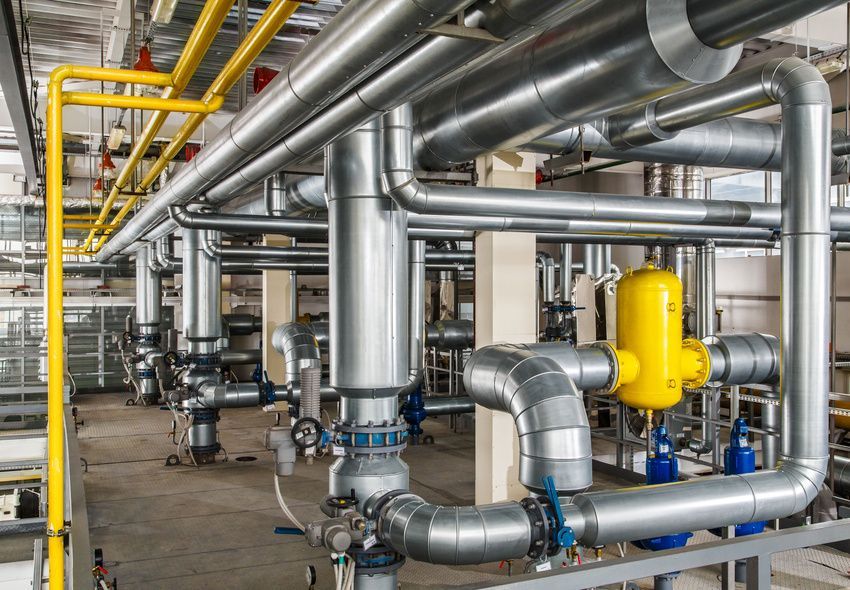
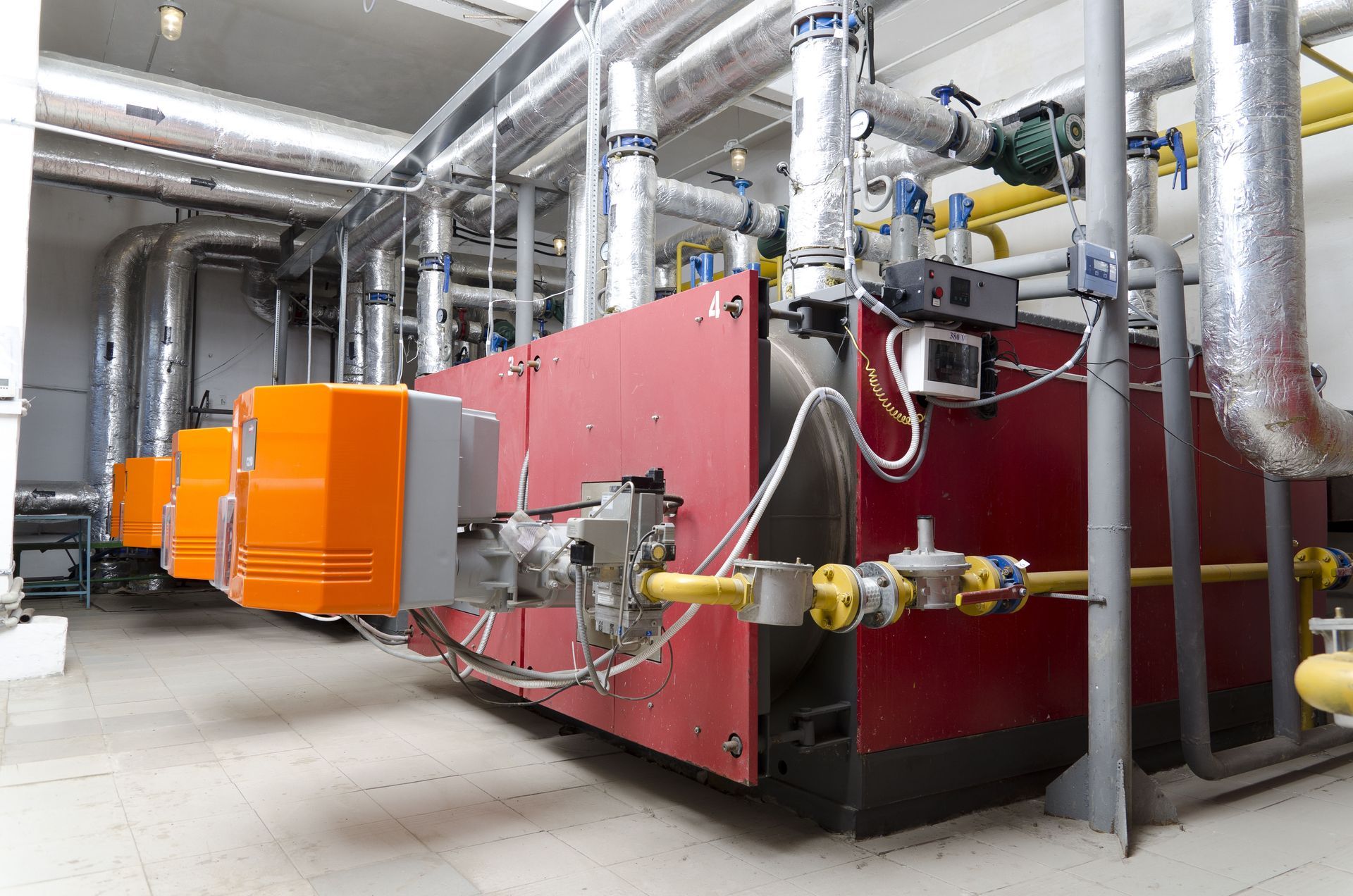
Facilities depend on piping, tanks, vessels, and other equipment to maintain operating conditions. When temperatures fall, exposed components can lose heat quickly, creating conditions that interfere with fluid movement, increase operational strain, or allow water and other materials to freeze. Regular heat tracing services help facilities manage these temperature changes by supplying controlled heat where it is needed.
Heat tracing is used in many industrial and commercial environments to offset heat loss and maintain a desired temperature. Depending on the application, systems may use electric heating, steam, or hot water. The right approach depends on the equipment, process requirements, surrounding conditions, insulation, and operating temperatures. Because these variables affect performance, routine professional attention can be important for keeping a system dependable over time.
Protecting Equipment From Freeze Damage
One of the most important reasons facilities use heat tracing is freeze protection. Water and other fluids can expand as they freeze, placing pressure on pipes, valves, fittings, tanks, and related components. Even when a complete freeze does not occur, temperatures that fall outside an intended operating range can disrupt processes and place additional stress on equipment.
In Middle Tennessee, winter weather can bring periods of freezing temperatures even when severe cold is not constant. Facilities need to account for those seasonal changes rather than assuming equipment will remain unaffected. A maintained system can help preserve temperatures around vulnerable components before cold weather creates an operational problem.
Maintaining Consistent Process Temperatures
Freeze protection is only part of the value provided by heat tracing. Many industrial processes depend on keeping liquids, chemicals, or other materials within a temperature range. If a process fluid becomes too cold, its viscosity or flow characteristics may change, affecting pumps, valves, transfer lines, and production activities.
Temperature stability can therefore influence more than a single pipe. It can affect how connected equipment performs as part of a larger process. Professional temperature-control work supports this objective by helping facilities maintain conditions appropriate for their applications.
Consistency is especially important when a facility operates through changing seasons. A system that performs adequately during mild weather may face greater heat loss when outdoor temperatures drop. Regular evaluations can identify whether heating elements, controls, insulation, and related components continue to provide the required level of temperature management.
Reducing Unnecessary Operational Strain
Temperature-related problems can create additional work for maintenance teams and interrupt normal facility operations. When a line becomes too cold, operators may need to respond to restricted flow, frozen sections, alarms, or other conditions that interfere with production or water treatment processes.
Regular maintenance can help facilities take a more preventive approach to temperature control. Instead of waiting for a cold-weather issue to affect operations, professional inspections and maintenance can identify conditions that may reduce system performance. Addressing those concerns as part of planned maintenance can support more predictable facility operation.
Supporting Energy-Efficient Operation
Heat tracing adds energy use, but appropriate system design and control can help direct that energy toward areas where it serves a specific purpose. Insulation plays an important role because it helps limit heat loss from the protected equipment. Controls can also regulate heating based on temperature conditions and operational requirements.
CEDengineering.com explains that self-regulating heat tracing adjusts its power output in response to temperature, increasing output as temperatures fall and decreasing it as temperatures rise. The same engineering resource notes that self-regulating tracers are usually guaranteed for more than 40 years of working life. According to CEDengineering.com, Self-regulating heat tracing systems are generally designed and warranted to provide more than 40 years of service. This does not mean every installed system will operate for that exact period, since service life depends on installation, environmental exposure, maintenance, and other conditions.
Regular heat tracing services can help verify that controls and associated equipment are operating as intended. This type of attention may help reduce wasted energy caused by poor control, damaged components, or other performance issues.
Extending the Useful Life of Critical Components
System longevity depends on many factors, including material selection, installation quality, operating conditions, corrosion control, insulation, and maintenance. Temperature management is another important consideration. When pipes and equipment are repeatedly exposed to freezing conditions or undesirable temperature swings, their operating environment can become more demanding.
Routine heat tracing services provide an opportunity to evaluate the condition and performance of a system before minor concerns become larger maintenance issues. Professional technicians can assess existing equipment, identify areas where temperature control may be inadequate, and determine whether adjustments or service are appropriate.
Improving Seasonal Preparedness
Fall is an appropriate time for facilities to review temperature-sensitive equipment before winter arrives. Waiting until the first significant freeze can leave maintenance teams dealing with urgent issues at the same time that many other seasonal systems require attention.
Heat tracing services performed as part of seasonal maintenance can help facilities evaluate system readiness before colder weather increases demand. Inspections may consider heating elements, controls, connections, insulation, and other components that influence performance.
Facilities in Greater Middle Tennessee can experience variable winter conditions, making preparation especially useful. Some days may remain relatively mild while overnight temperatures fall sharply. A system must be capable of responding to those changes without compromising the equipment or process it is designed to protect.
Identifying Problems Before They Affect Operations
A temperature-control issue is not always obvious from outside the system. A damaged component, failed control, inadequate insulation, or uneven heating may gradually reduce performance. Without periodic evaluation, a facility may not recognize the problem until a process is disrupted.
Professional heat tracing services can provide a structured way to evaluate existing systems. Depending on the installation, assessments may review system condition, temperature performance, energy use, controls, and potential areas for improvement. Regular attention also gives maintenance personnel better information for planning repairs or replacements when they are needed.
Supporting Safer Facility Conditions
Industrial temperature-control systems can also contribute to safe and dependable working environments. Frozen piping, unexpected process changes, and equipment failures can create hazards for employees and disrupt normal facility activities. Maintaining appropriate temperatures can help reduce the likelihood of certain cold-weather problems.
Heat tracing services should be evaluated as part of the facility's broader maintenance and safety strategy. Electrical systems, controls, insulation, and process equipment all need to be appropriate for their environment and application. Professional assessment is important because industrial systems can involve specialized requirements that vary considerably from one facility to another.
Planning Maintenance Around Long-Term Needs
Regular maintenance is most effective when it is connected to the facility's long-term operating goals. Heat tracing should not be treated as an isolated component. Its performance is influenced by insulation, controls, piping configuration, process conditions, ambient temperatures, and other parts of the overall system.
A professional evaluation can help facility managers understand how these factors work together. Heat tracing services may be appropriate when a system is being installed, upgraded, inspected, or prepared for seasonal operation. They can also be valuable when a facility experiences recurring temperature-related issues or changes its process requirements.
The goal is dependable temperature management that supports equipment protection and consistent operations. By addressing performance concerns early and keeping systems properly maintained, facilities can make better use of existing infrastructure while planning future improvements based on actual needs.
For industrial and commercial facilities across Greater Middle Tennessee, dependable temperature control is an important part of preparing for seasonal conditions and protecting critical infrastructure. CEMA Environmental provides heat tracing solutions, including freeze protection, temperature control, audits, installation, maintenance, and troubleshooting, backed by more than 25 years of industry experience.
Working with experienced professionals can help facility teams maintain reliable systems, address concerns before they become disruptive, and support the long-term performance of temperature-sensitive equipment.